
If you’re tired of censorship and dystopian threats against civil liberties, subscribe to Reclaim The Net.
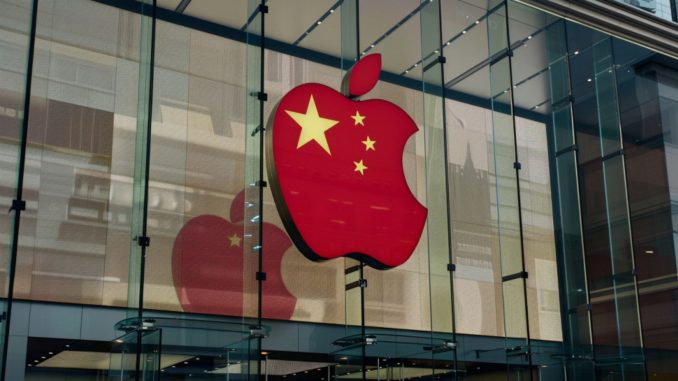
Apple’s push to bring advanced artificial intelligence features to iPhones in China is drawing fire in Washington, where a proposed partnership with Alibaba has sparked intense scrutiny over the potential implications for censorship, surveillance, and military tech development.
The deal, designed to power iPhones in China with Alibaba’s AI models, has raised alarms among US lawmakers and national security officials. They are questioning whether the arrangement would give a Chinese tech giant access to data or technical insight that could be funneled into broader state-run programs, including those tied to China’s military strategy.
In recent meetings, US officials pressed Apple executives about data-sharing practices and any regulatory agreements the company may have with Chinese authorities. Apple, according to sources briefed on the discussions, was unable to provide detailed answers.
This controversy highlights how Apple’s efforts to remain competitive in China are colliding with rising geopolitical tension.
The company’s ability to match its AI offerings across global markets is central to its growth strategy, yet doing so in China comes with risks that go far beyond software integration.
China is Apple’s second-largest market, accounting for nearly 20 percent of its global revenue.
The company’s aim is to provide users in the country with the same level of functionality as iPhone users elsewhere, especially after it unveiled Apple Intelligence, a suite of features that have been somewhat underwhelming and partially helped along in the West by OpenAI’s technology. But with OpenAI unavailable in China, Apple began talks with several domestic providers before settling on Alibaba.
That move has been met with resistance from members of Congress. Representative Raja Krishnamoorthi, a Democrat on the House Intelligence Committee, criticized Apple’s lack of transparency, saying, “It is extremely disturbing that Apple has not been transparent about its agreement.” He continued, “Alibaba is a poster child for the Chinese Communist Party’s military-civil fusion strategy, and why Apple would choose to work with them on A. is anyone’s guess.”
Concerns are rooted in the growing role AI could play in national defense. Technologies capable of writing code or managing tasks could also be applied to autonomous weapons systems, drone coordination, and other military functions. The US government has already imposed restrictions on China’s access to high-end AI chips and tools, and officials fear that commercial collaborations may erode those barriers.
During a March meeting with the House Select Committee on China, Apple executives were reportedly unable to clarify the scope of the Alibaba deal. Among the unanswered questions were what kind of user data might be shared, and whether Apple had agreed to abide by Chinese regulations that could demand broader data access or restrict speech-related functions.
If you’re tired of censorship and dystopian threats against civil liberties, subscribe to Reclaim The Net.
The post Apple-Alibaba AI Deal in China Triggers US National Security Concerns Over Data Sharing and Military Ties appeared first on Reclaim The Net.





Be the first to comment