
Article By Javier Bolaños
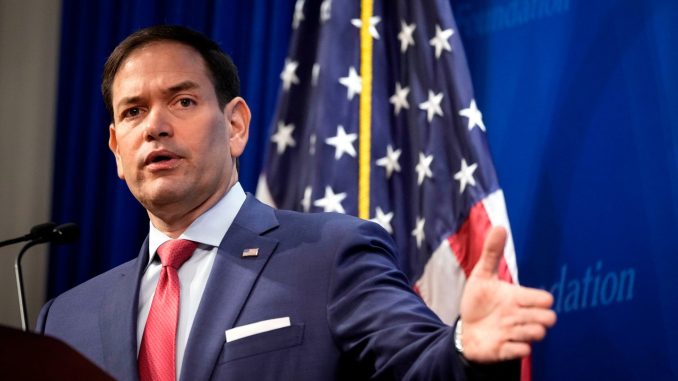
In a historic speech broadcast this Wednesday, the date on which the exile and much of the diaspora commemorate Cuba’s Independence Day, the Secretary of State of the United States, Marco Rubio, addressed a forceful message directly to the people of the island nation.
Through a video broadcast on his official social networks, the top diplomat outlined the current administration’s vision for the Caribbean nation, promising direct support to citizens and openly challenging the monopoly of the communist regime.
For the Christian community in Latin America, the crisis on the island has been a cause for constant prayer and deep concern. Endless power outages, severe food shortages and repression have hit families hard, including thousands of Evangelical and Catholic believers.
In this difficult scenario, the words of the secretary of state open a new scenario that contemplates a compassionate, supportive and direct intervention toward those most in need.
🇺🇸🇨🇺 pic.twitter.com/nwEePVJ1lX
— Secretary Marco Rubio (@SecRubio) May 20, 2026
The role of the church in humanitarian aid
One of the most relevant points of the speech for the field of faith and international solidarity is the formal proposal to send millions of dollars in assistance. Rubio made it clear that the aid will not go through the hands of the government or its entities, but will be channeled throughfaith-based institutions to ensure its correct distribution.
“We are offering $100 million in food and medicine for you, the people, but it has to be distributed directly to the Cuban people by the Catholic Church or other trusted charitable groups,” the secretary of state said.
This measure underscores the Trump administration’s trust that religious organizations are committed to the well-being of the most vulnerable sectors of society.
Unmasking the origin of Cuban suffering
During his speech, Rubio was emphatic in denying the official narrative that blames U.S. policies exclusively for the deep energy and economic crisis that paralyzes the country.
“The reason they are forced to survive 22 hours a day without electricity is not because of an oil blockade by the United States,” Rubio said. The diplomat explained that, after the cessation of subsidized oil shipments from other nations, the ruling elite allocates the resources to its own interests, such as the construction of luxurious tourist complexes for foreigners, while demanding sacrifices from the general population.
The message issued from Washington, D.C., establishes a marked separation between ordinary citizens and the military conglomerate that controls the most profitable sectors of Cuba’s economy.
“President Trump offers a new avenue between the United States and a new Cuba. But it has to be directly with you, the Cuban people, not with GAESA,” he said emphatically.
Rubio detailed what this economic and social transformation would look like, illustrating a society where entrepreneurs and families can prosper with the fruit of their labor: “A new Cuba where you, ordinary Cubans, and not just GAESA, can own a gas station, or a clothing store or a restaurant.”
Human rights and an end to fear
From a human rights perspective, the speech emphasized the urgent need for freedom of expression and transparent democratic processes.
The U.S. leader advocated for “a new Cuba where they can complain about a system that fails without fear of going to jail or being forced to leave their island.” He also called for creating the necessary conditions for the people to regain their sovereignty, including “the real opportunity to elect those who govern their country and vote to replace them if they are not doing a good job.”
A new chapter in bilateral relations
In conclusion, the secretary reaffirmed the Trump administration’s willingness to collaborate with Cuban citizens, adding that the current power structure is the only barrier to achieving this goal.
“In the United States, we are ready to open a new chapter in the relationship between our people and our countries, and currently the only thing standing in the way of a better future are those who control their country,” he concluded.












Be the first to comment