
Article By David Lindfield
General Motors has replaced roughly 1,000 workers with just 50 robots at its flagship Detroit-area manufacturing facility, sparking backlash from labor unions and reigniting concerns about automation’s growing impact on American jobs.
The move comes as the auto giant looks to cut costs and improve efficiency amid slowing demand for electric vehicles and increasing pressure to remain competitive in a rapidly changing industry.
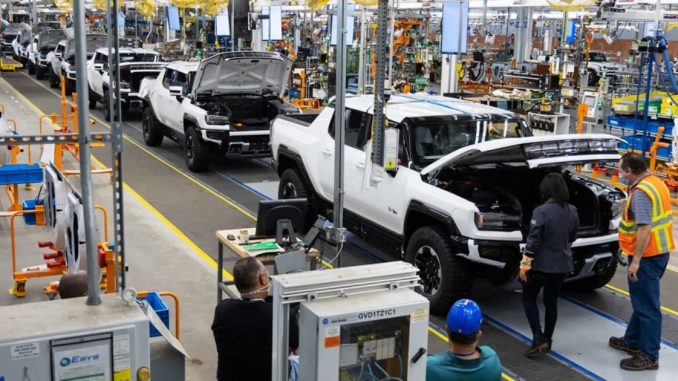
According to reports, the new “collaborative robots,” commonly known as cobots, have been installed on the assembly line at GM’s Factory ZERO plant in Michigan, where they now assist with attaching body panels to vehicles as they move through production.
GM Defends Automation Push
General Motors says the technology upgrade is part of a broader effort to modernize its manufacturing operations while improving workplace safety.
“We’ve been installing cobots across our manufacturing footprint as part of a broader push to bring more advanced technology into our operations,” GM spokesman Kevin Kelly said.
“At Factory ZERO, we are implementing them alongside our team—helping improve safety and ergonomics, while keeping our operations flexible and competitive.”
The company maintains that the robots are working alongside employees rather than completely replacing human labor, though critics argue the dramatic reduction in staffing tells a different story.
Labor Unions Blast Job Cuts
Labor organizations have reacted angrily to the changes, accusing General Motors of using automation primarily as a cost-cutting tool while eliminating well-paying manufacturing jobs.
Union leaders argue that despite repeated promises that technology would support workers rather than replace them, companies continue reducing headcounts whenever new automation systems are introduced.
The dispute highlights a growing tension throughout the American manufacturing sector as advances in robotics and artificial intelligence increasingly allow companies to produce more vehicles with fewer workers.
Over the past several decades, the number of labor hours required to build a vehicle has fallen dramatically, even as unions have successfully negotiated higher wages and improved benefits for many auto workers.
EV Slowdown Creates New Challenges
The changes at Factory ZERO come as General Motors faces mounting challenges in the electric vehicle market.
Demand for EVs has cooled significantly from earlier projections, forcing automakers across the industry to reevaluate production schedules and investment plans.
GM has temporarily halted production at Factory ZERO multiple times over the past year as it adjusts to softer-than-expected demand for its electric vehicle lineup.
Despite those challenges, the company remains highly profitable.
General Motors reported $4.25 billion in profit during the first quarter of the year, a 22% increase compared to the same period in 2025.
Automation Debate Intensifies
The controversy underscores a broader debate over the future of American manufacturing and whether advances in automation will ultimately benefit workers or leave thousands of jobs vulnerable.
Supporters of automation argue that robotics helps American companies remain competitive against foreign rivals and can improve efficiency, safety, and product quality.
Critics counter that the rapid replacement of workers with machines raises serious concerns about the long-term impact on manufacturing communities and middle-class employment opportunities.
As major corporations continue investing heavily in automation technology, Factory ZERO may offer a glimpse of what many future assembly lines could look like: fewer workers, more machines, and an ongoing battle over who benefits most from technological progress.












Be the first to comment