
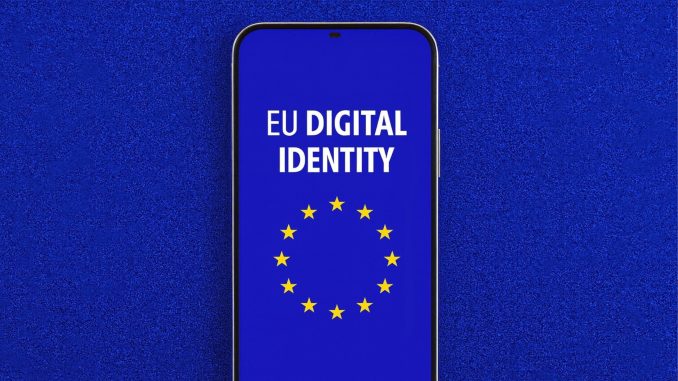
Original Article By Dan Frieth
The European Commission is expanding its efforts to impose online ID age checks and restrict access to certain digital content under the Digital Services Act (DSA).
This latest phase targets both the largest tech companies and a broad range of smaller platforms across the EU.
Snap, Google, Apple, and YouTube have received formal requests from the Commission, which is seeking details on how these platforms prevent minors from accessing content it deems harmful or illegal.
This includes material related to vaping, drugs, and eating disorders. Snapchat has been asked to explain how it keeps users under 13 off the platform.
Apple’s App Store and Google Play are being questioned about their age rating systems and safeguards around app downloads.
YouTube is being asked to clarify its use of age assurance tools and how its recommendation engine handles content for young viewers.
More: Major European Telecoms Companies Back EU Digital ID System
Tech Commissioner Henna Virkkunen, speaking in Denmark, where digital ministers gathered to discuss child online safety, said, “When minors are using online services, a very high level of privacy, security, and safety must be ensured.”
Alongside these requests, the Commission has released a second version of its EU-wide age verification framework.
The system introduces an app that users must install on their devices. Through this app, individuals complete a one-time identity check using official documents.
Once verified, they receive what the Commission describes as an anonymous proof of age, which can then be shown to online platforms when accessing restricted services.
Although the age token is designed to avoid repeated ID submissions, the process still requires an initial identity document, effectively tying access to age-restricted content to a digital ID.
Pilot testing is already underway with participation from selected EU member states, platforms, and users. The Commission expects the first applications using this model to be available in early 2026.
More: Discord Support Breach Exposes Over 70,000 Government IDs
In addition to monitoring major tech firms, the Commission is stepping up enforcement against smaller services.
A working group under the European Board for Digital Services is collaborating with national authorities to identify which platforms may be exposing children to greater risk.
The group is also preparing shared tools to support enforcement across EU countries.
At the policy level, the Commission is forming a new advisory panel focused on improving the online experience for minors, especially on social networks.
While these actions are presented as protective measures, they signal a wider move toward compulsory identity verification as a gateway to online services.
The move raises ongoing fears about privacy, data security, and the long-term implications of normalizing ID-based internet access.















Be the first to comment