
Article By David Hawkins
CBS News is facing criticism after airing a false claim from the family of murderer Karmelo Anthony that he was convicted by an “all-white jury.”
The network failed to provide viewers with important context about the jury’s actual composition.
Anthony, who was convicted of murdering 17-year-old Austin Metcalf at a Frisco, Texas, track meet, was sentenced to 35 years in prison.
He was jailed after a jury rejected his self-defense claims and found him guilty of murder.
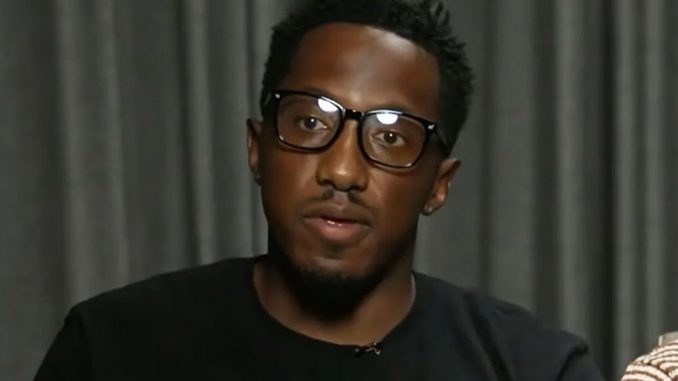
During an interview following the verdict, the convicted killer’s father, Andrew Anthony, expressed frustration with the outcome and pointed to what he described as “the all-white jury” as one of the aspects of the case that stood out to him.
CBS aired the remark without immediately correcting or qualifying the claim.
Jury Included Minority Members During Selection Process
Court records and reporting from the trial indicate that the final 12-person jury contained no black jurors.
However, the broader panel that included six alternates was not exclusively white.
Courtroom reporters noted that minority jurors, including Asian and Indian individuals, were among the final panel of 18 jurors and alternates selected during the process.
The jury selection process began with approximately 589 prospective jurors before attorneys for both sides narrowed the field through questioning and legal challenges.
One black prospective juror was removed after telling the court he would “have a hard time putting a brother in jail,” according to local reporting.
Other black prospective jurors expressed concerns related to media coverage of the case, familiarity with the school district, or questions about their ability to remain impartial.
Defense attorneys later raised a Batson challenge, arguing that prosecutors improperly used peremptory strikes against the final three remaining black prospective jurors.
The trial court ultimately rejected the challenge and allowed the jury selection process to stand.
Family Continues to Challenge Verdict
During the CBS interview, Andrew Anthony suggested he initially attempted to put concerns about the jury aside because he believed the evidence supported his son’s case.
The family also voiced dissatisfaction with witness testimony and elements of the defense strategy presented during the trial.
CBS, however, did not provide viewers with additional context regarding the jury selection process, the reasons cited by prospective jurors who were removed, or the presence of non-black minority jurors among the alternates and broader panel.
“My son didn’t intend to hurt anyone”: The parents of Karmelo Anthony, the Texas teenager who was sentenced to 35 years in prison for the murder of a fellow high school athlete, Austin Metcalf, spoke about their son and the trial in an exclusive interview with CBS News. Anthony's… pic.twitter.com/kSAbDxlFxP
— CBS Mornings (@CBSMornings) June 11, 2026
Public Figures Amplify ‘All-White Jury’ Narrative
The claim that Anthony was convicted by an “all-white jury” has been repeated by several prominent public figures following the verdict.
Among those advancing the narrative are Rep. Jasmine Crockett (D-TX), rapper Cardi B, and other commentators who have criticized the outcome of the trial.
The case has generated intense national attention since the fatal stabbing of Metcalf during a confrontation at a district track meet in April 2025.
Prosecutors argued that Anthony escalated the encounter after refusing repeated requests to leave a rival school’s tent before ultimately pulling a knife from his backpack and stabbing Metcalf in the chest.
Jurors heard testimony from more than a dozen witnesses before reaching a guilty verdict after approximately three hours of deliberation.
Conviction Sparks Continued Controversy
The case has remained highly polarizing, generating strong reactions across social media and political circles.
Anthony received significant public support from activists and online commentators throughout the trial, with hundreds of thousands of dollars raised for his legal defense and family expenses.
Following the conviction, some supporters have launched fundraising efforts aimed at financing an appeal.
Others have continued to argue that Anthony acted in self-defense, despite the jury unanimously rejecting that defense during deliberations.
As appeals move forward, the controversy surrounding the case shows little sign of fading, with disputes over media coverage, jury selection, and public commentary continuing long after the verdict was delivered.












Be the first to comment