
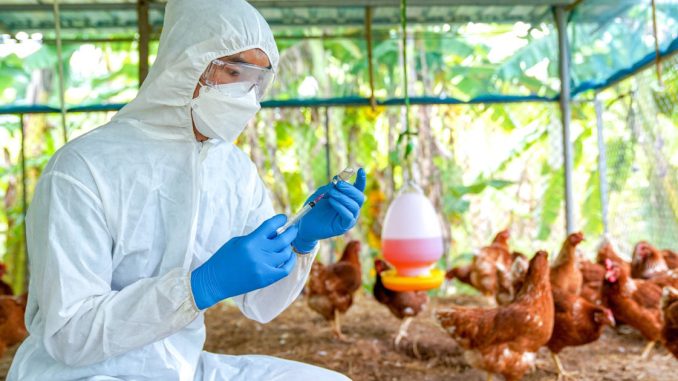
The U.S. Department of Agriculture (USDA) is moving forward with a controversial plan to mass-vaccinate the American food supply to supposedly tackle “bird flu.”
The USDA aims to target poultry with avian flu shots.
The plan marks an unprecedented shift in strategy after nearly 175 million birds have been culled since 2022.
But the proposal is already dividing the agricultural sector.
It is raising fears of trade retaliation that could hammer U.S. chicken producers.
The USDA hopes to finalize a national vaccination strategy by July.
The move follows pressure to approve vaccine use from egg and turkey producers, who’ve suffered the most from the virus.
Major chicken meat exporters remain staunchly opposed, however.
They are warning that foreign markets could slam the door shut if they suspect vaccines are hiding infections.
Dr. John Clifford, former USDA chief veterinary officer and advisor to the USA Poultry & Egg Export Council, said:
“This isn’t just about animal health—it’s about economic survival.”
Clifford cautioned that a poorly implemented plan could lead to sweeping export bans that would devastate the chicken industry, which has so far avoided the worst of the outbreaks.
The USDA has already shelled out over $1 billion to farmers for lost flocks, according to the American Veterinary Medical Association.
Egg prices have skyrocketed, rationing has been introduced, and imports are up.
In response, the United Egg Producers submitted a detailed proposal in January, calling for vaccinations at the chick level, followed by boosters and routine testing of flocks.
“We can’t keep doing this,” said Dr. Craig Rowles of Iowa-based egg producer Versova, who helped write the plan.
“We’re not saying stop culling—we’re saying give us another tool to protect these animals and keep our businesses afloat.”
But meat producers are holding the line.
The National Chicken Council, which represents the nation’s poultry exporters, has issued cautious support, only if exports are untouched.
They’ve long warned that even a single vaccinated bird could trigger blanket bans from trade partners, effectively kneecapping a $5 billion export industry.
Glenn Hickman, CEO of Hickman’s Family Farms in Arizona, isn’t buying it.
Hickman says he’s lost 95% of his egg production to the virus and says chicken producers are sacrificing the rest of the industry to protect their margins.
“Let me protect my chickens,” Hickman said bluntly.
“The government’s failure to act sooner has cost us everything.”
As the USDA tries to thread the needle, its final decision could mark a turning point in American agriculture.
With a July deadline looming, the agency must balance public health, global trade, and the economic survival of an already battered industry.
One thing is clear: without a compromise, the next outbreak won’t just hurt farmers, it’ll hit consumers, exports, and the economy all at once.
READ MORE – Scientists Develop Mutant ‘Bird Flu’ Strain That’s 100% Lethal in Humans





Be the first to comment