
Article By Frank Bergman
A massive explosion and fire have shut down Venezuela’s second-largest oil refinery, knocking a facility with a capacity of 310,000 barrels per day offline as global energy markets struggle with soaring transportation costs and refining bottlenecks.
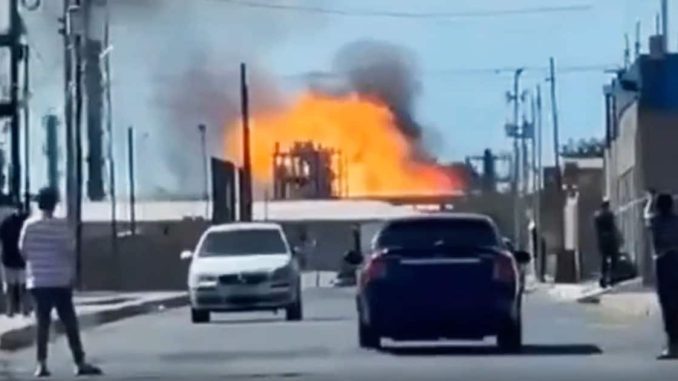
Huge columns of flames and smoke erupted from the Cardon refinery after a natural gas line ruptured, forcing operations across the facility to halt.
The shutdown adds another disruption to an energy system already strained by war, expensive tanker shipments, and high insurance costs.
More crude is moving through the Strait of Hormuz.
But Brent oil is still trading above $100 per barrel and getting that crude refined and delivered remains a costly challenge.
Explosion Forces Entire Refinery Offline
Cardon forms part of state-run oil company PDVSA’s Paraguana Refining Center, Venezuela’s largest refining complex, with a combined capacity of 955,000 barrels per day.
Eight sources familiar with the situation confirmed the fire to Reuters.
Two said it began at a gas line serving the refinery’s diesel hydrotreater and forced the entire facility, including its boilers, to shut down.
PDVSA later said a natural gas line feeding the boilers ruptured at approximately 3:25 p.m.
The company said it quickly contained the blaze and reported no injuries or major damage. It is investigating the incident and evaluating the situation.
Videos posted on social media show towering flames and smoke pouring from the refinery.
WATCH:
Venezuela’s Cardón Oil Refinery, the country’s second-largest, exploded and caught fire today. The facility has reportedly halted operations, per Reuters. https://t.co/2aUAJVFOID
— OSINTtechnical (@Osinttechnical) October 6, 2026
Later photographs taken by neighbors showed firefighters inside the facility after the flames had been extinguished.
Latest Breakdown Hits Venezuela’s Fuel Infrastructure
Fires, power interruptions, and outages are common at PDVSA facilities, threatening supplies of gasoline and diesel needed by Venezuela’s domestic market.
Cardon was already facing operational problems before the explosion.
Last month, insufficient feedstock halted production at one of its crude distillation units and its fluid catalytic cracker.
The latest shutdown now takes the entire refinery offline while PDVSA assesses the aftermath.
Its 310,000-barrel daily capacity makes Cardon a major piece of Venezuela’s fuel infrastructure. That figure represents the facility’s capacity, rather than its confirmed output immediately before the fire.
More Gulf Oil Is Moving but Prices Remain High
The refinery shutdown comes as Middle East crude exports have climbed to their highest levels since the Iran war began.
More Gulf producers have resumed shipping through the Strait of Hormuz despite the continuing threat of Iranian attacks.
According to analytics firm Kpler, crude flows through the waterway reached a seven-day average of 14.2 million barrels per day on September 26.
That was nearly 80% of prewar levels.
Recorded volumes have since declined, but those figures are expected to be revised upward because ships frequently disable satellite tracking while crossing the strait and for several days afterward.
The recovery in shipments has not brought a corresponding collapse in oil prices.
Brent remains above $100 per barrel as the industry confronts obstacles extending far beyond the availability of crude.
Shipping Costs and Refining Shortages Squeeze Consumers
Wars in the Middle East and Eastern Europe have fractured the system that once moved enormous volumes of crude and fuel around the world at relatively low cost.
Record-high tanker rates, soaring insurance costs, and a severe shortage of refining capacity are creating bottlenecks across the supply chain.
Getting oil out of producing countries is only part of the problem.
It must still be transported, refined into usable fuels, and delivered to buyers through a network strained by conflict and disruption.
Those problems could take months or years to unwind, leaving consumers facing elevated energy bills even as crude shipments recover.
The Cardon explosion delivers another blow at precisely that vulnerable point: refining.
More oil flowing through Hormuz cannot by itself repair damaged infrastructure, restore lost refining operations, or erase the escalating cost of moving fuel around the world.












Be the first to comment