
Article By Steven Ertelt
A juror who voted to spare Lindsay Clancy from a murder conviction said she saw the trial as a “turning point” that could “make it better for other women,” remarks that critics say recast the killing of three children as a cause.
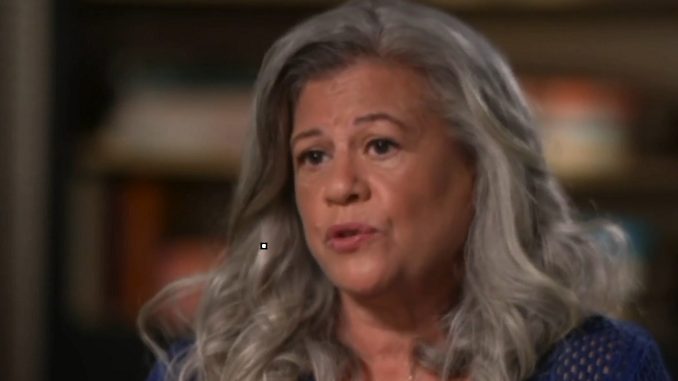
Paula Devlin made the comments in a CBS Saturday Morning interview clip.
Devlin explains how she viewed the trial as a chance to strike out for social justice.
“We knew this would be a turning point … that could change something to make it better for other women,” Devlin said in the clip.
Lindsay Clancy juror Paula Devlin, auditioning here for the role of the village idiot, explains how she viewed the trial as a chance to strike out for social justice.
— Dinesh D'Souza (@DineshDSouza) September 13, 2026
“We knew this would be a turning point…that could change something to make it better for other women.” pic.twitter.com/tR2BD2qwUU
Devlin was among the jurors who favored finding Clancy not criminally responsible after Clancy was tried in the deaths of her three children. The case ended in a mistrial when the panel could not reach a unanimous verdict.
According to many who views the clip on social media, Devlin’s words come across as an admission that the jury box had been used for a social-justice project.
The quoted statement does not mention the children who were brutally murdered, it describes the trial as a chance to change conditions for “other women.”
That is the inversion at the center of the case. A murder trial is supposed to decide whether a defendant is guilty of killing specific human beings. It is not a vehicle to send a political message.
Devlin’s language treats the verdict as a precedent for mothers, not an accounting for the children who died. Jurors are instructed to apply the law to the evidence. They are not instructed to create a turning point.
If Devlin “knew” the case “could change something to make it better for other women,” she was describing a political hope, not a finding about whether Clancy was criminally responsible.
Three children are still dead. No juror’s theory of social justice restores them. A system that hears a triple killing and asks first what the outcome will do for “other women” has already moved the children to the edge of their own story.












Be the first to comment