
Article By Saba Heidarkhani
Flour shortages have forced bakeries to close in several Iranian cities and pushed up bread prices, with residents and bakers reporting disrupted supplies, falling purchasing power and growing uncertainty over their businesses.
Residents in Tabriz, Karaj, Kerman and Hamedan told Iran International that interruptions and delays in flour deliveries had disrupted independent bakeries and producers of various types of bread.
Several bakeries on a street in Tabriz have shut down, a resident said.
“I asked why, and they told me they weren’t receiving flour. They keep promising that the flour quotas will be replenished today or tomorrow, but nothing happens.”
Previous reports have also documented flour shortages and bakery closures, with residents describing bread shortages and interruptions to production caused by electricity outages.
Flour supply disruptions shut bakeries and sandwich shops
Independent bakers have reported that difficulties obtaining flour have forced businesses to suspend operations.
A citizen of Hamedan in western Iran said flour shortages and rising prices had affected not only bakeries producing specialty bread but also sandwich shops.
Flour prices have risen, and suppliers are now saying there is no flour available at all, the resident said.
“Our bakery is closed because we have no flour, and nobody is taking responsibility,” a independent baker told Iran International.
The shortages have coincided with declining purchasing power, leaving bakeries struggling to secure supplies as customers struggle to afford bread.
“They don’t have flour to give us, and I swear to God, people don’t have money to buy bread either. Our economic situation has become critical,” another baker said.
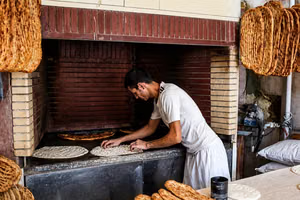
Iran’s flour distribution system distinguishes between subsidized bakeries and independent bakeries, which face different purchasing prices and supply arrangements.
Flour allocations to certain independent bakeries had been reduced, Bagher Khodadadi, head of supervision and inspection at the Khorasan Razavi provincial agriculture department, confirmed on October 21.
Khodadadi said the shortages in flour distribution had been addressed.
Bakeries reducing their operating hours because of flour shortages would be committing a violation and could face enforcement measures, he added.
Rising prices disrupt food retailers
The flour supply problems have also affected food retailers that depend on bakeries for their products, according to messages.
Two bakeries supplying bread to a supermarket in Kerman said they no longer had enough flour to continue production, the store’s owner said.
“Two of the bakers who supply me called and said there was no flour left and they couldn’t bake and deliver bread tomorrow. A famine has officially begun.”
A resident of Karaj also described a sharp increase in bread prices.
“I bought two baguettes and they cost 800,000 rials. The price of flour has also tripled.”
Iran International previously reported on October 8 that residents had described unannounced increases in bread prices and flour shortages in several areas.
Bread prices in Tehran province had risen by as much as 100% for certain varieties by June 23.
The increases have added to the financial pressure on households already struggling with declining purchasing power.
Uncertainty over flour quotas and pricing
The disruption has raised further questions about how flour quotas are allocated and priced for independent bakeries and producers of larger and semi-industrial bread varieties.
Flour allocations to these businesses were suspended about two weeks ago, according to another message received by Iran International.
The sender said suppliers had attributed the suspension to the government’s failure to announce new flour prices, leaving bakeries uncertain about when deliveries would resume.
The resident also said certain flour mills were selling supplies on the black market without issuing invoices specifying prices.
Comments by provincial grain officials about flour allocations have added to questions over the distribution system and the availability of supplies.












Be the first to comment