
URL has been copied successfully!
Article By John Johnson
‘Within a year or two, our whole visual system will be utterly useless,’ says Hany Farid
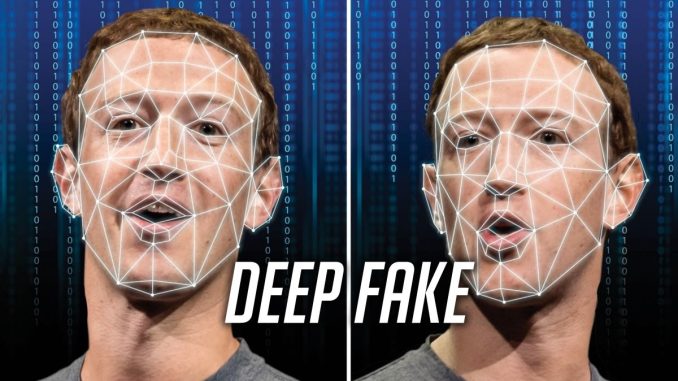
Two stories illustrate the growing problem with deepfake images generated by artificial intelligence:
- The Wall Street Journal reports that AI is aggressively, and sometimes weirdly, muscling into the 2026 midterms. Campaigns and outside groups from both parties are churning out AI-generated videos that cast candidates as everything from a Julie Andrews-style singer praising transgender children (Texas Democrat James Talarico) to a shredded superhero rescuing civilians (Michigan Republican Mike Rogers) to a Batman-like savior battling a Joker mayor (Los Angeles hopeful Spencer Pratt). Minnesota Lt. Gov. Peggy Flanagan says seeing a convincingly fake version of herself taking corporate checks was “creepy.” States are trying to crack down on election deepfakes, but researchers say enforcement runs into First Amendment limits. DeepStrike estimates deepfakes on social platforms jumped from about 500,000 in 2023 to 8 million last year.
- But these videos are easy to spot as bogus, yes? Not so much. The New York Times talks to Hany Farid, perhaps the world’s foremost expert on spotting deepfakes. “The technology is getting so good. It takes me to a dark place,” he says. Farid says he is no longer able to tell by looking whether a video is phony, and he suggests nobody else is, either. “I don’t trust anything. Every image I see, I’m drawing lines for shadows and doing geometry in my head, trying to figure out what I’m looking at. It’s over. Within a year or two, our whole visual system will be utterly useless.”
Views: 40
Please follow and like us:












Be the first to comment