
Article By David Hawkins
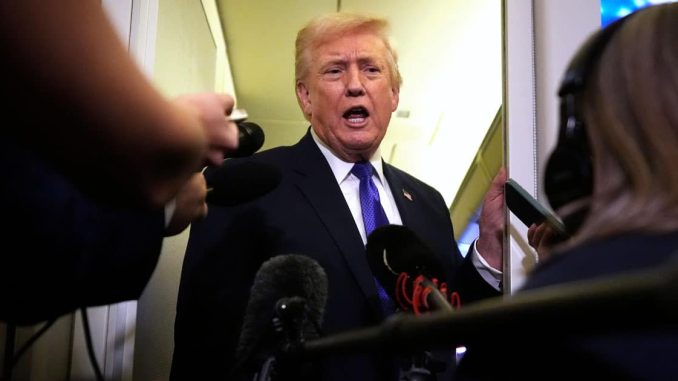
President Donald Trump has reportedly floated a dramatic proposal to make Venezuela the 51st state of the United States.
Trump made the comments during a phone call on Monday with Fox News anchor John Roberts, according to reports.
The conversation was revealed by Fox News correspondent Bill Melugin.
Trump reportedly said he is “seriously considering making Venezuela the 51st US state.”
According to Melugin, Trump is pointing to the South American nation’s enormous oil wealth.
“There is $40 trillion in oil there,” Trump reportedly said, adding that “Venezuela loves Trump.”
NEW: President Trump tells @FoxNews colleague @johnrobertsFox in a phone call just now that he is “seriously considering making Venezuela the 51st US state”, adding that there is $40 trillion in oil there and “Venezuela loves Trump”.
— Bill Melugin (@BillMelugin_) May 11, 2026
Venezuela Back in Spotlight After Maduro’s Removal
The comments come amid major geopolitical changes in Venezuela following the earlier arrest and removal of longtime socialist strongman Nicolás Maduro.
Maduro’s downfall marked a major turning point after years of sanctions, diplomatic pressure, and economic collapse under socialist rule.
Since then, the Trump administration has taken a far more assertive approach toward Venezuela’s future.
The Trump admin has been focused on both regional stability and the country’s massive energy reserves.
Venezuela possesses some of the world’s largest proven oil reserves.
It’s a fact Trump has repeatedly emphasized as part of his broader American energy-dominance agenda.
The country has also remained central to ongoing debates over illegal immigration and border security, another cornerstone issue of Trump’s second term.
No Formal Proposal, But Massive Political Reaction
Trump did not outline any concrete legal or constitutional pathway for Venezuelan statehood, and no formal White House proposal has been released.
Adding a foreign nation as a U.S. state would require enormous constitutional, political, and international hurdles, including congressional approval and consent from the affected territory.
Still, the remarks instantly triggered widespread political debate.
Supporters praised Trump for once again thinking aggressively about American power, energy independence, and geopolitical leverage.
Critics mocked the proposal as unrealistic and inflammatory.
But even opponents acknowledged the comments fit Trump’s longstanding style of reframing global political issues in bold, transactional terms centered around economic strength and strategic advantage.
Trump Continues Expanding ‘America First’ Vision
The Venezuela remarks also continue Trump’s recent pattern of publicly discussing expanded American influence abroad.
Trump has previously joked, and at times appeared partially serious, about adding other territories or nations as potential future states, including Canada and Greenland.
But supporters argue the Venezuela discussion is rooted less in symbolism and more in strategic economics.
With global energy markets still unstable following years of geopolitical conflict and supply disruptions, Venezuela’s oil reserves remain one of the most valuable untapped resources in the Western Hemisphere.
Trump has repeatedly argued that America should aggressively secure energy independence and reduce reliance on hostile foreign powers.
Whether the president’s latest remarks were intended as serious policy, negotiation leverage, or political provocation, they once again succeeded in placing Trump at the center of the national conversation and putting Venezuela squarely back into the geopolitical spotlight.














Be the first to comment