
Article By David Lindfield
A veteran DEA agent alleges that federal investigators knowingly allowed large quantities of fentanyl to move through trafficking networks rather than seize the drugs, putting American communities at risk while pursuing bigger criminal cases.
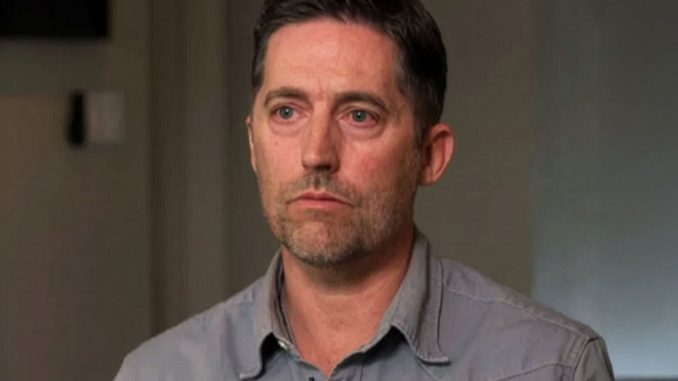
Special Agent David Howell told CBS News that he spent three years warning supervisors about the practice, known as drug walking, with little response.
His allegations are now under review by the Justice Department’s inspector general following a request from DEA Administrator Terrance Cole.
The controversy comes as Bernalillo County, which includes Albuquerque, has declared an emergency over fentanyl-related problems and New Mexico Attorney General Raúl Torrez challenges federal handling of suspected drug shipments.
Agent Says Prosecutors Objected to Fentanyl Seizure
Howell described a 2023 investigation involving an Albuquerque suspect whose vehicle contained thousands of fentanyl pills, a handgun, and a child.
Agents stopped the vehicle and seized approximately 6,000 to 7,000 pills.
But according to Howell, federal prosecutors criticized the seizure because it disrupted their broader investigation.
He alleged that prosecutors would have allowed the suspect to keep transporting the drugs despite the child’s presence.
The account raises a fundamental question about investigative priorities: whether building a larger case justified leaving thousands of potentially lethal pills in circulation.
Drug Walking Strategy Draws Scrutiny
Drug walking involves allowing narcotics shipments to proceed while investigators track suspects in hopes of identifying and dismantling larger trafficking operations.
Howell argues that using that approach with fentanyl creates an unacceptable danger for the public.
He says his repeated internal warnings failed to produce an adequate response, prompting him to speak publicly.
The Associated Press and Albuquerque Journal previously reported his allegations.
Torrez has suggested that federal investigative tactics may be contributing to New Mexico’s fentanyl crisis.
However, the extent of any connection remains disputed.
He has filed a lawsuit challenging authorities’ handling of suspected shipments.
Justice Department Watchdog Investigates
The independent inspector general investigation will examine allegations that the pursuit of larger cases came at the expense of intercepting dangerous drugs.
Neither the DEA nor the Justice Department agreed to interviews with CBS News.
Federal officials said they could not discuss the ongoing investigation.
The DEA has indicated that it will address any problems investigators uncover.
Howell remains employed by the agency.
He says he came forward because federal law enforcement failed to adequately protect the communities it serves.
His central allegation is stark: agents had opportunities to remove fentanyl from trafficking networks but instead allowed shipments to continue, leaving the public exposed while investigators worked toward larger prosecutions.












Be the first to comment