
Article By John Johnson
NYT explores how attacks on only 9 substations could result in nationwide blackout
The feature in the New York Times Magazine poses a stark question: “What if America went completely dark?” After interviewing more than two dozen experts on the nation’s power grid, Christopher Cox makes the case that the question isn’t as far-fetched as it sounds.
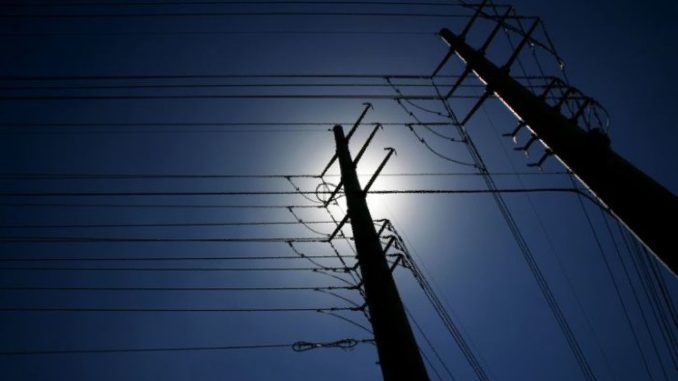
The grid itself, for instance, “is perhaps the most complex machine ever built, but it was created without a master plan,” he writes. It’s more accurate to think of three grids—the Western, Eastern, and Texas Interconnections. Cox reports that a federal analysis once found that disabling as few as nine key substations across those three grids could trigger a coast-to-coast outage.
A related problem is that the hardware that makes those substations work—huge, custom-built power transformers—is in critically short supply. Meaning, such a blackout could theoretically last years.
“It is difficult to overstate how completely the loss of the grid would disrupt life as we know it,” writes Cox, whose story explores how the bottleneck, combined with rising physical threats, aging equipment, and long repair timelines could combine for a life-altering catastrophe.
As for those threats, Cox revisits a still unresolved 2013 attack in California in which assailants severed underground cables at a substation before snipers expertly knocked out 17 transformers in about 20 minutes. It’s unlikely that a domestic terror group could wipe out nine entire substations, notes Cox, but the feat would not be beyond the scope of a “state actor.” Read the full story, which explores what emerging tech like solid-state transformers and grid-scale batteries might do to blunt the risk.












Be the first to comment